The Herbalism 101 series
Seven modules that teach the method before the plants — what herbalism actually is, how plants make medicine, how preparation changes potency, what an herbal action means, and how to read the evidence behind any claim. Read them in order or dip into a module.
Start here · Guides
Five hub guides that pull the lessons together by theme. Each one stands on its own, and links into the lessons it covers.
- Guide
How to Make Herbal Preparations: Teas, Tinctures, Oils and Salves
The seven core herbal preparation methods, what each one actually extracts, and how to choose between them — from infusions and decoctions to tinctures, infused oils and salves.
7 min read · covers 7 lessons - Guide
Herbal Actions Explained: Adaptogens, Nervines, Bitters and the Rest
What herbalists mean by adaptogen, nervine, bitter, demulcent, astringent, immunomodulator and cardiotonic — the six action classes, their proposed mechanisms, and where the evidence actually sits.
7 min read · covers 6 lessons - Guide
How to Read Herbal Research: Evidence, Studies and the Confidence Scale
How to judge whether an herbal claim is actually supported — the evidence hierarchy, why studies disagree, what 'clinically studied' really means, and the four-tier Confidence Scale.
8 min read · covers 7 lessons - Guide
Beginner Materia Medica: Twelve Herbs, Honestly Rated
Ginger, turmeric, garlic, elderberry, ashwagandha, hawthorn, echinacea, black seed, milk thistle, ginseng, burdock and cinnamon — each with its evidence tier and its specific safety flag.
8 min read · covers 13 lessons - Guide
Herbal Safety: Interactions, Sourcing and When to See a Clinician
The five-category safety checklist, how herb-drug interactions actually work, how to read a supplement label, and the symptoms that mean stop and call a clinician.
7 min read · covers 6 lessons
Module 1 · Foundations
Lesson 1
What Is Herbalism? A Beginner's Real Definition (Not the Marketing One)
Somewhere between your spice rack and your medicine cabinet sits a whole field of knowledge most of us were never taught. Your grandmother might have…
3 min read
Lesson 2
A Brief and Honest History of Herbalism
Five ancient civilizations. No contact with each other, in most cases not even overlapping centuries. And yet: willow bark for pain, garlic for infection…
2 min read
Lesson 3
Herbalism and Modern Medicine: Not Rivals, Different Tools
You've probably heard that 80% of the world relies on traditional medicine. It's repeated constantly — and it's more complicated than the soundbite. The…
2 min read
Lesson 4
How Herbalists Think: Evidence, Tradition, and the Trap of 'It Worked For Me'
Two people take the same herb. One swears by it — real, repeatable relief. A controlled trial on that same herb finds no effect beyond placebo. Both…
2 min read
Lesson 5
The Herbal Safety Mindset: Why No Herb Is a Miracle Cure
A widely used herbal supplement can make hormonal birth control fail. Not because of anything wrong with the pill — because the herb quietly speeds up how…
2 min read
Module 2 · Plant Science
Lesson 6
Basic Plant Anatomy: Why 'Plant Part Used' Is Never a Throwaway Detail
One plant, three different stories. Elderberry's ripe, cooked berries are a well-studied, food-safe preparation. The raw or unripe berries, leaves, stems…
1 min read
Lesson 7
Plant Parts and Why They Matter
Nutmeg's seed and its lacy red aril (dried into the spice mace) come from the same fruit — different flavor, different chemistry, different traditional…
1 min read
Lesson 8
Plant Families, Botanical Names & Identification
Poison hemlock and wild carrot are close relatives, look similar enough to confuse experienced foragers, and hemlock can kill with under a tenth of a gram…
1 min read
Lesson 9
Active Constituents and How They Work Together
Ginger contains well over 100 identified compounds — some analyses put the number above 200. Almost every marketing claim about ginger names one, maybe…
1 min read
Lesson 10
Whole Herb vs. Isolated Compound vs. Standardized Extract
Same herb, same brand, two different harvest lots — and without something specifically controlling for it, the actual potency inside those two 'identical'…
1 min read
Module 3 · Herbal Preparations
Lesson 11
Infusions and Herbal Teas
Same herb, same water, same amount — steeped 3 minutes versus 15. Different color, different strength, and depending on the plant, a genuinely different…
1 min read
Lesson 12
Decoctions and Syrups
Twenty to forty minutes of active simmering isn't overcooking a tea — for tough root and bark material, it's often the only way to actually get to what's…
1 min read
Lesson 13
Tinctures, Glycerites & Oxymels
The alcohol in a tincture isn't there to get you drunk — a typical dose is a few milliliters, often diluted further. It's there because it dissolves…
1 min read
Lesson 14
Capsules, Tablets, and Powders
Every method so far in this module has involved some kind of extraction — water, alcohol, vinegar. A capsule involves none of that. No water, no alcohol…
1 min read
Lesson 15
Infused Oils
Infused oil and essential oil get confused constantly, and they are not interchangeable. One is a distilled, highly concentrated volatile-compound…
1 min read
Lesson 16
Salves and Balms
One ingredient and a few minutes of gentle heat separate a liquid infused oil from a solid salve. A salve or balm is an infused oil, solidified with a…
1 min read
Lesson 17
Fresh vs. Dried, Storage, Labeling & Shelf Life
A properly made alcohol tincture can outlast the person who made it. A fresh-herb syrup might not survive the season. Same module, six preparation types…
1 min read
Module 4 · Herbal Actions
Lesson 18
Adaptogens (and What an 'Herbal Action' Actually Is)
'Adaptogen' might be the single most misused word in the supplement industry — slapped on everything from coffee to skincare. Here's what almost nobody…
1 min read
Lesson 19
Nervines
A calming herb and a stimulating herb can belong to the exact same category. Not a contradiction — 'nervine' describes which system an herb acts on, not…
1 min read
Lesson 20
Bitters and Carminatives
For most herbal actions, taste is incidental. For bitters specifically, the bitter taste itself is part of the mechanism — masking it defeats part of the…
1 min read
Lesson 21
Demulcents and Astringents
Soothing and tightening — from the same plant, sometimes the same preparation. Not a contradiction.
1 min read
Lesson 22
Immunomodulators and Anti-Inflammatory Herbs
'Immune boosting' is everywhere on product labels. Here's what well-studied immunomodulators are actually going for: not maximum activity, but balance. An…
1 min read
Lesson 23
Cardiotonics and Tonics
Some cardiotonic herbs are studied for effects that seem to run both directions — supporting the heart whether it's under- or over-active. Not a…
1 min read
Module 5 · Reading Research
Lesson 24
How to Read an Herbal Study
Most people who cite 'a study showed X' read the headline, not the study. The headline was written by someone who read a press release. The press release…
2 min read
Lesson 25
Systematic Reviews and Meta-Analyses
A meta-analysis can combine a dozen studies into a single number. That number is only as good as the choices that went into which studies got included…
1 min read
Lesson 26
Sample Size, Duration & Why Studies Disagree
Two studies. Same herb. Opposite conclusions. Neither one is lying — they almost certainly weren't actually testing the same thing, in the same way, on…
1 min read
Lesson 27
Dosage, Formulation & Standardized Extracts in Research
A study showing an herb 'works' might actually mean one specific extract, made one specific way, at one specific dose, produced one specific result. That…
1 min read
Lesson 28
Product Quality, Adulteration & Funding Bias
An herb can have excellent research behind it and still let you down — not because the science was wrong, but because the bottle on the shelf isn't…
1 min read
Lesson 29
Why Headlines Misrepresent Research (Mechanism ≠ Proof)
'Fights cancer in a lab study' and 'treats cancer' are, functionally, two completely different claims wearing nearly identical headlines. One happened in…
1 min read
Lesson 30
How Pure Herbal Wisdom Rates Evidence: The Confidence Scale
Six lessons — how to read a study, systematic reviews, why studies disagree, dosage specificity, product quality, headline distortion. All of it…
1 min read
Module 6 · Materia Medica
Lesson 31
How to Study a Materia Medica Entry
Thirty lessons — definitions, history, science, preparations, action classes, and an entire module on reading research. Every one of them was quietly…
1 min read
Lesson 32
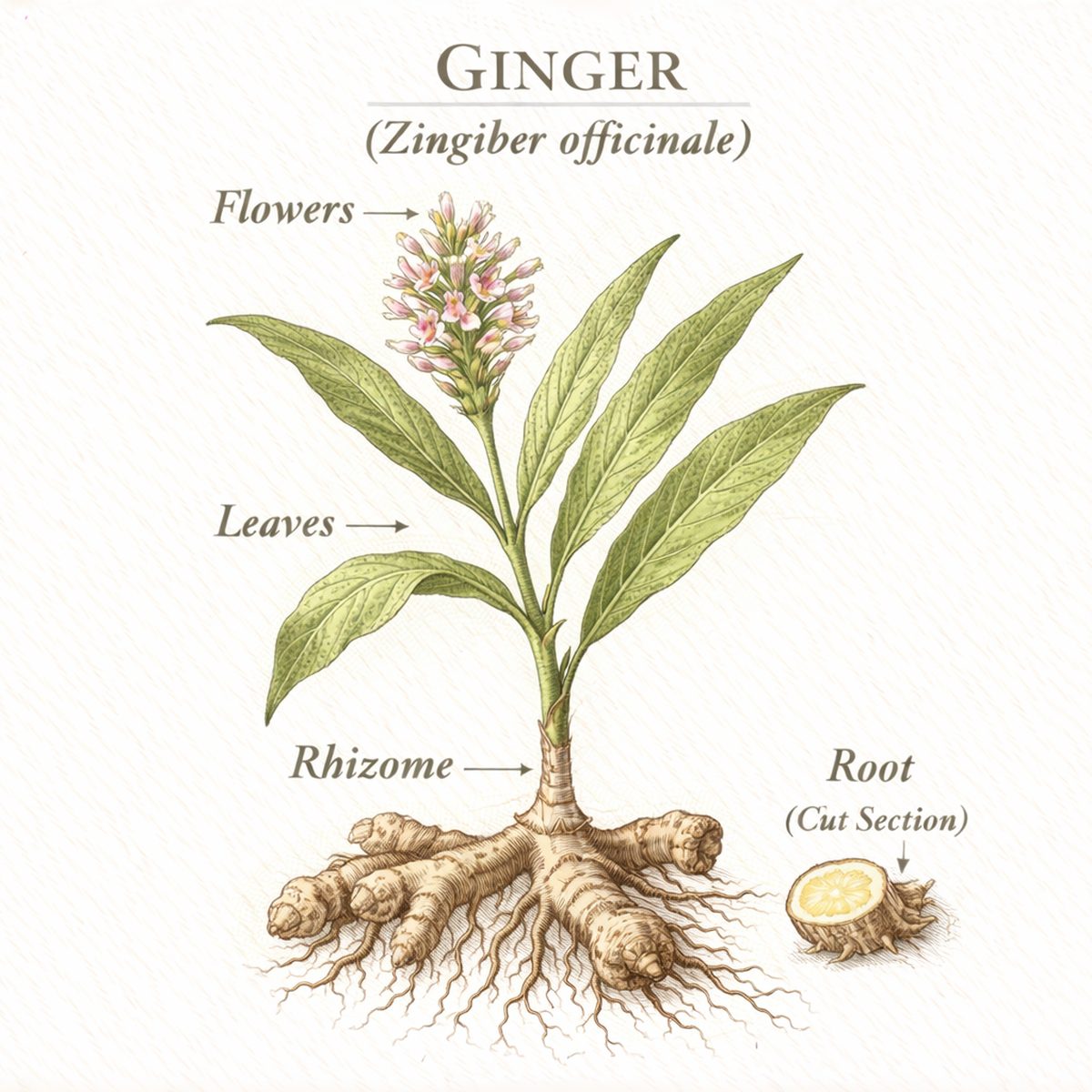
Ginger: A Complete Materia Medica Entry
Same herb, two claims, two completely different evidence pictures. Ginger's nausea research is genuinely solid. Its blood-thinning interaction research is…
1 min read
Lesson 33
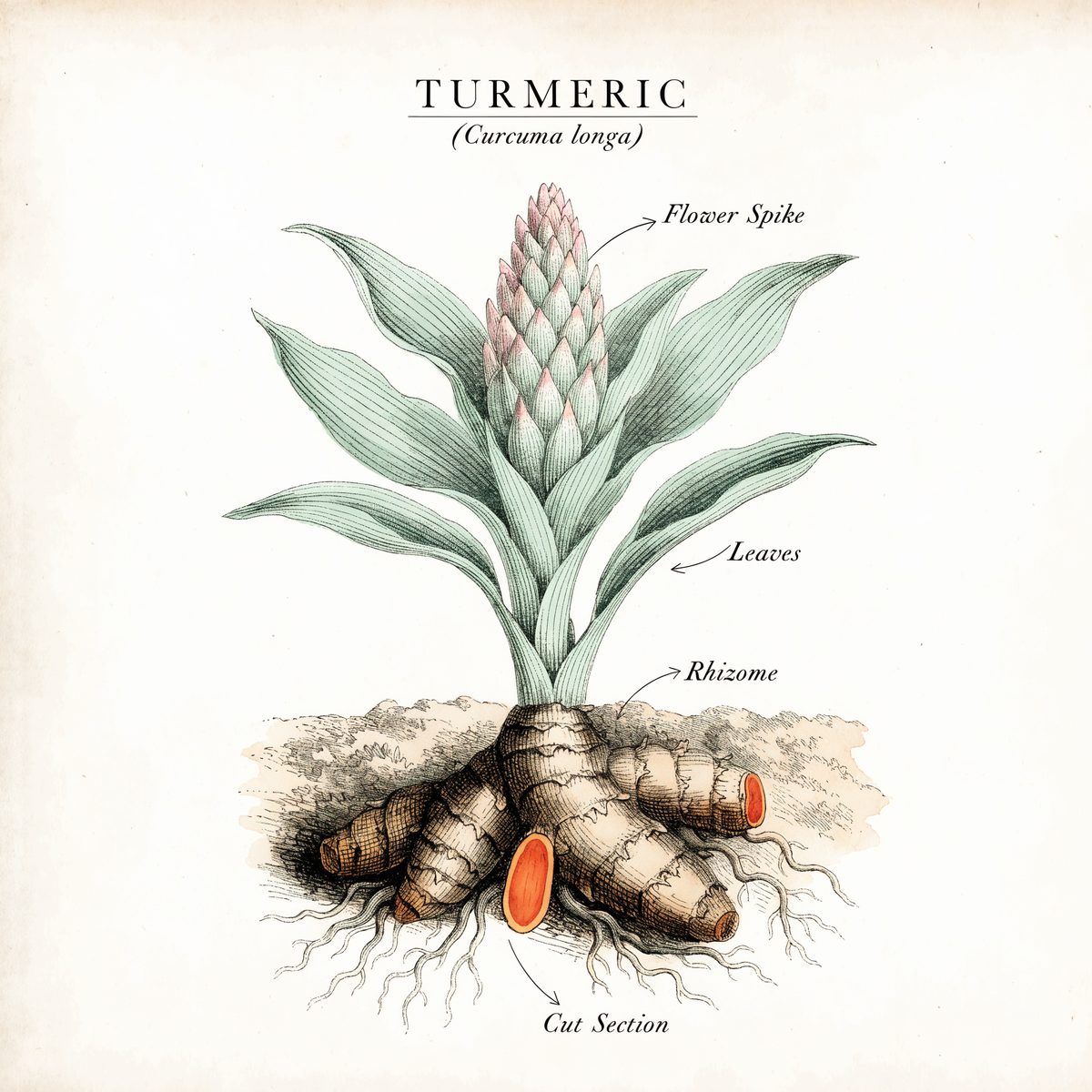
Turmeric: A Complete Materia Medica Entry
The exact thing many curcumin supplements advertise as an upgrade — dramatically better absorption, usually via black pepper extract — is the same thing…
2 min read
Lesson 34
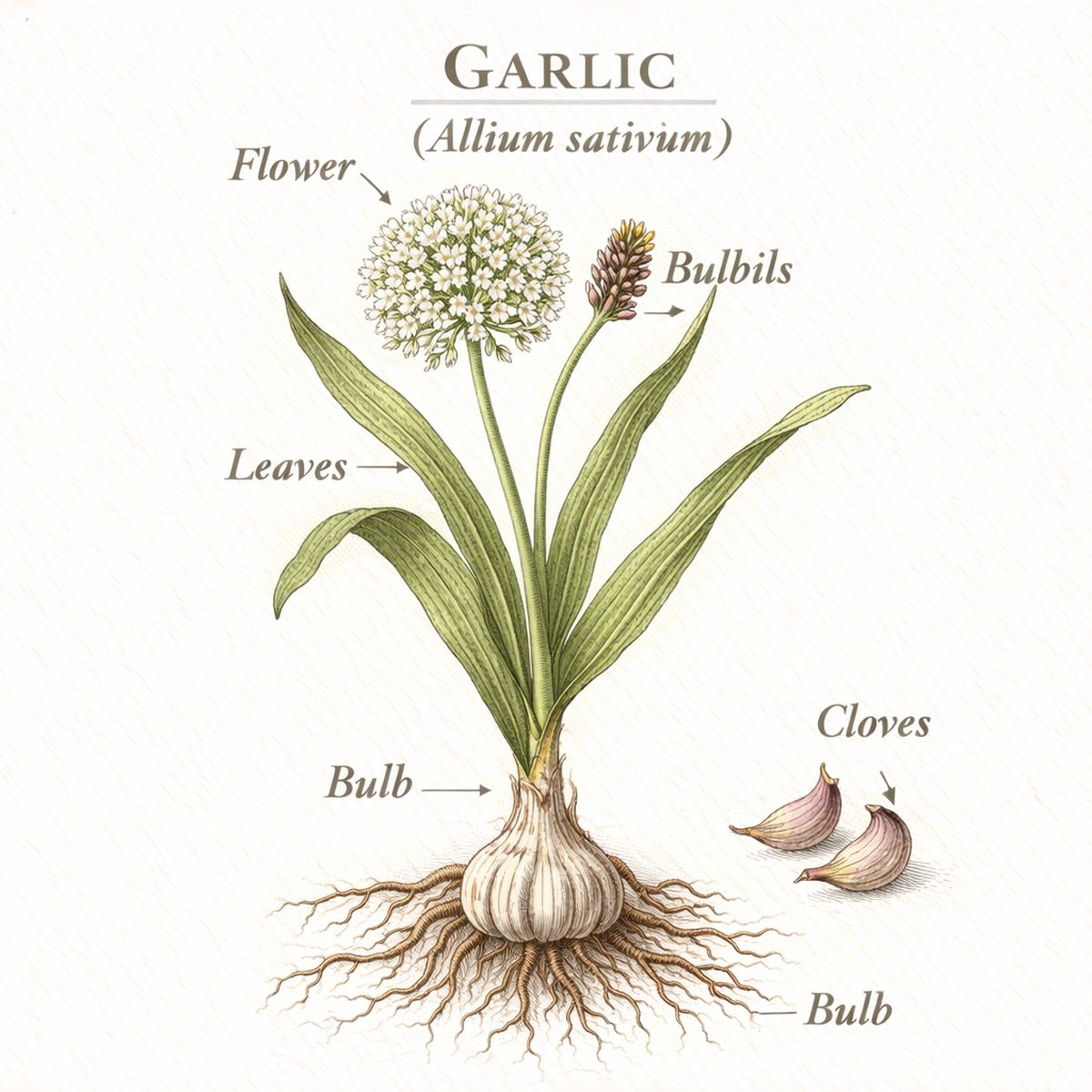
Garlic: A Complete Materia Medica Entry
Garlic doesn't meaningfully interfere with how your body processes most drugs. It can still make you bleed longer during surgery. Two completely different…
1 min read
Lesson 35
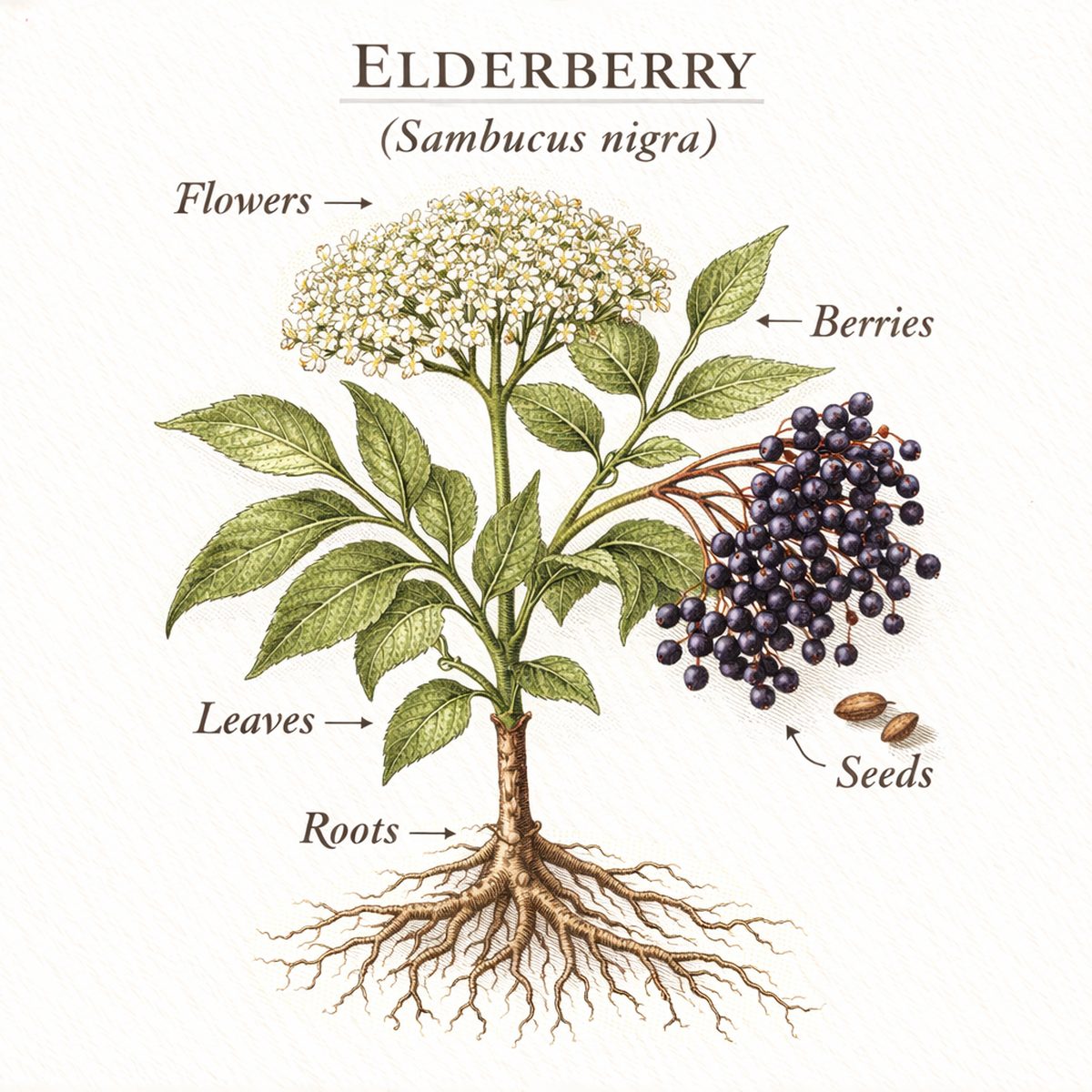
Elderberry: A Complete Materia Medica Entry
Lesson 6 opened this course's plant-science module with this exact plant, as a preview. Now we close that loop for real: one preparation genuinely…
1 min read
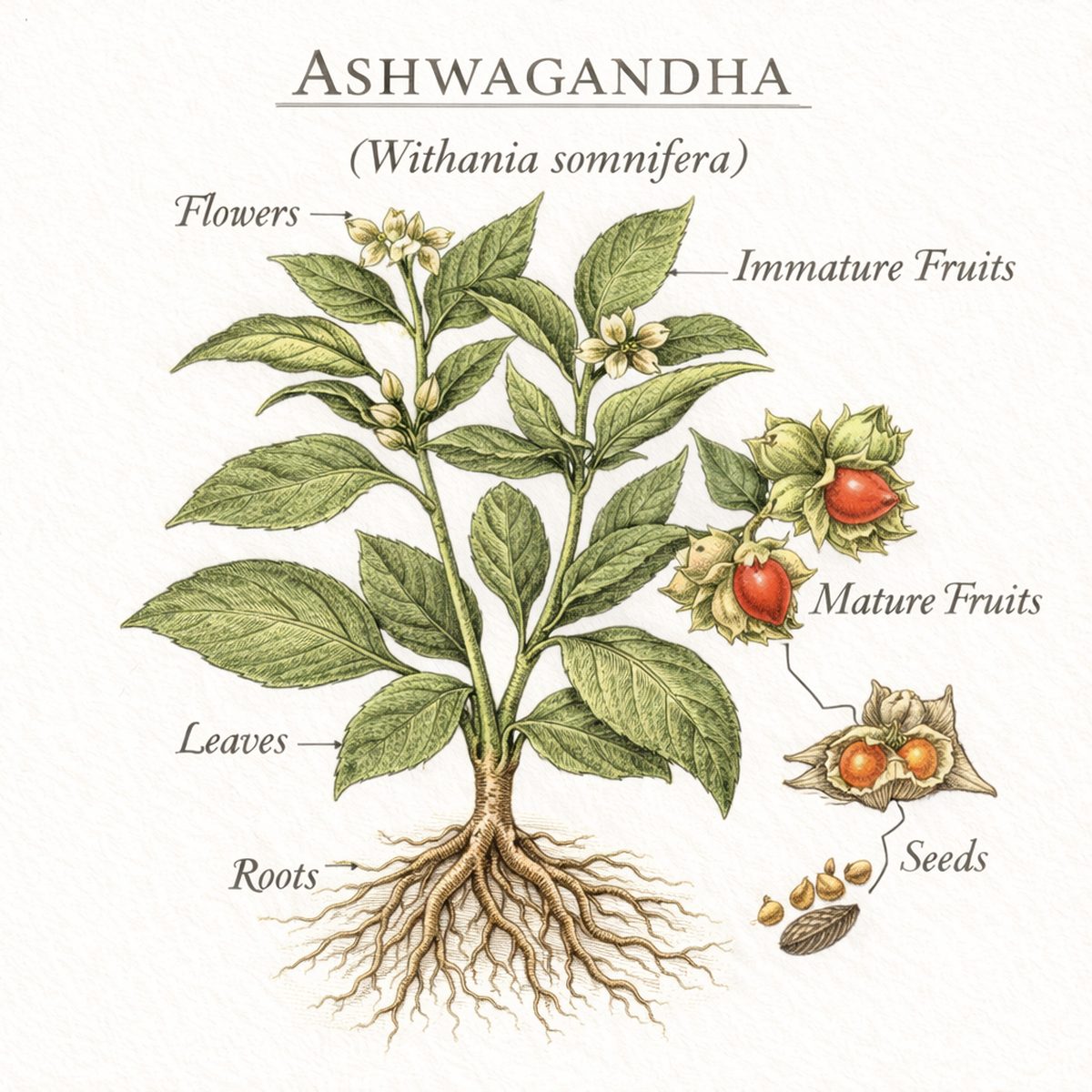
Lesson 36
Ashwagandha: A Complete Materia Medica Entry
This is the clearest real example of Lesson 18's formal adaptogen definition you'll meet in this course. It also comes with a specific hormone-interaction…
1 min read
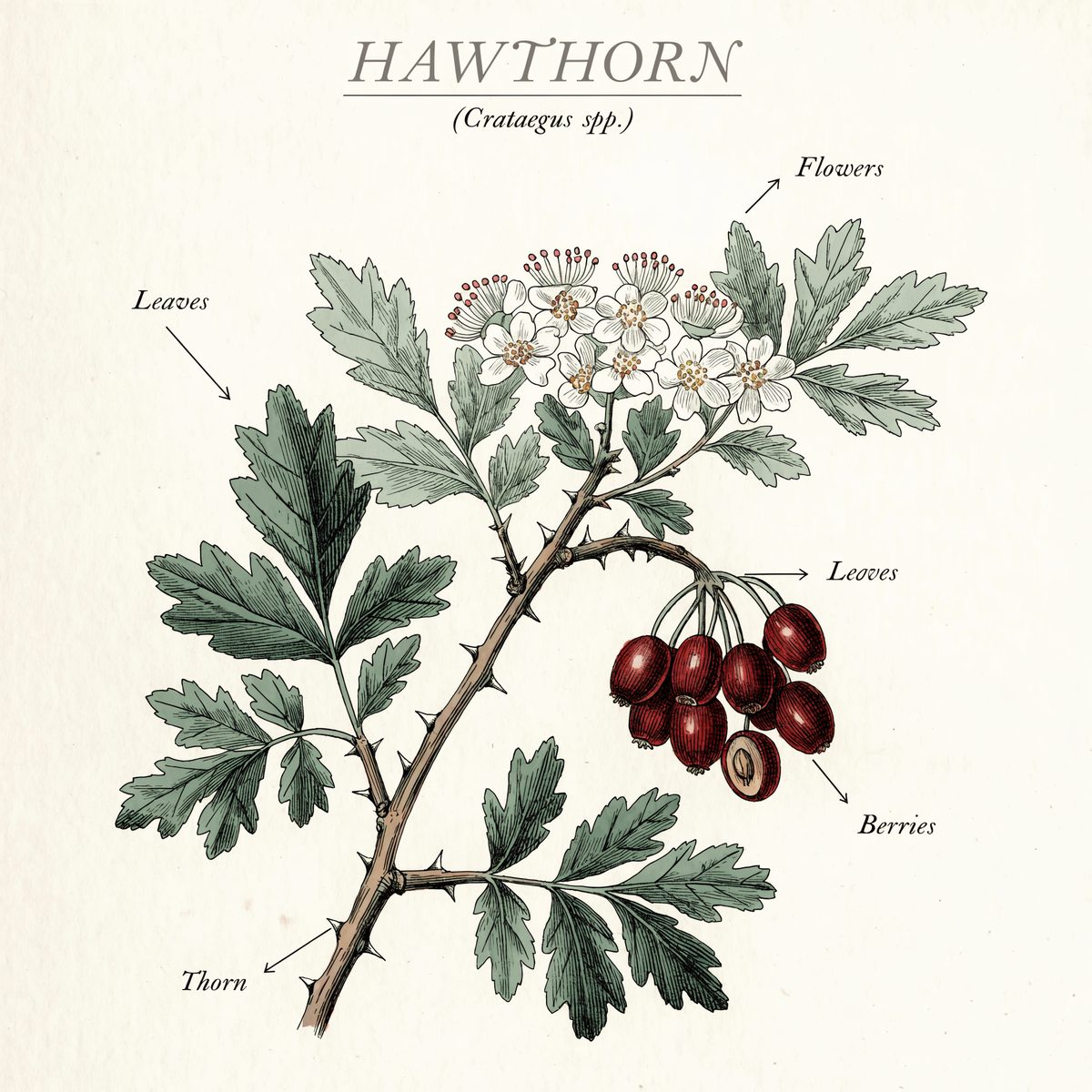
Lesson 37
Hawthorn: A Complete Materia Medica Entry
One well-designed study found hawthorn doesn't change digoxin's actual blood levels. Clinicians still recommend caution combining them. Not a…
1 min read
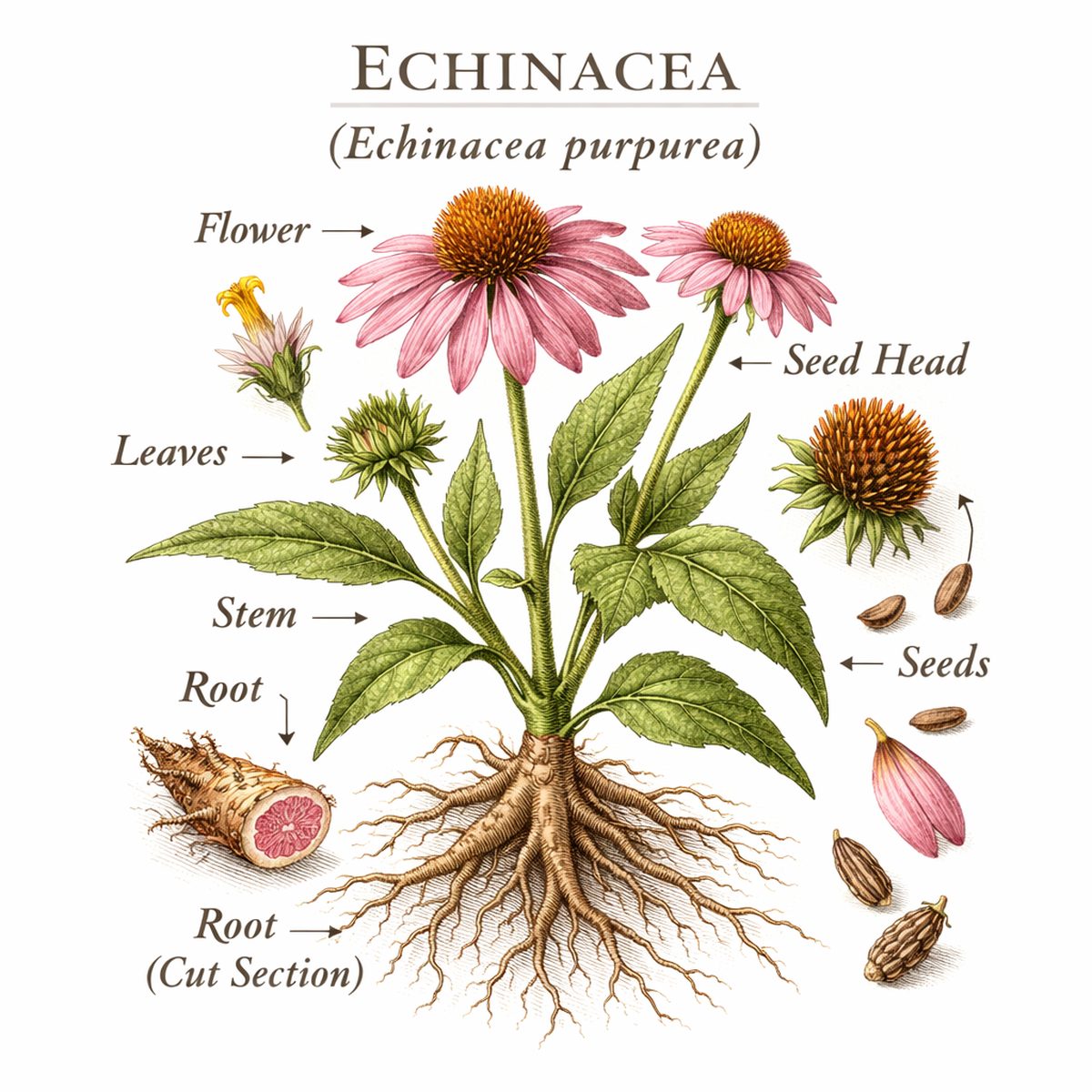
Lesson 38
Echinacea: A Complete Materia Medica Entry
'Does echinacea work?' is actually two different questions with two different answers. Prevention and treatment aren't the same claim.
1 min read
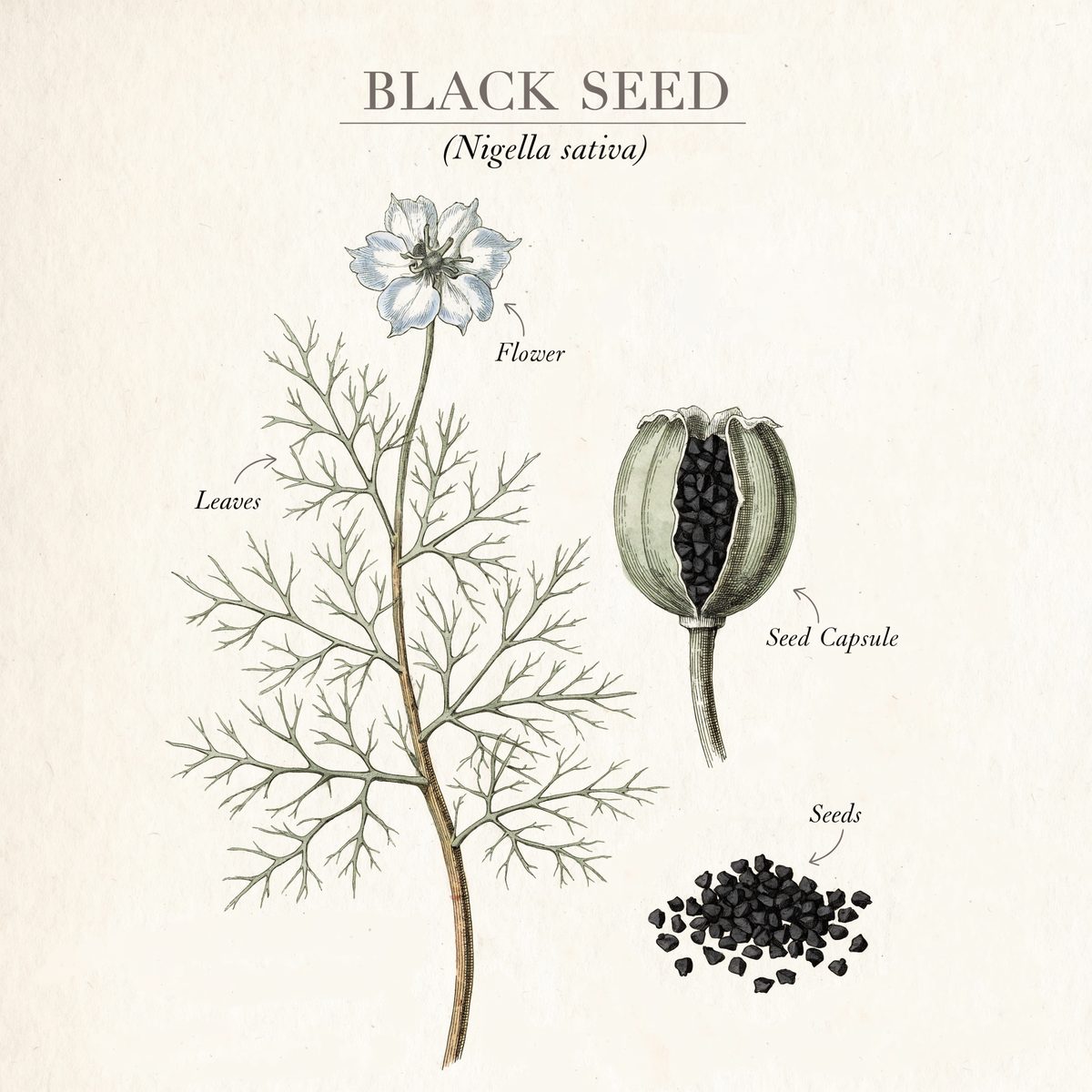
Lesson 39
Black Seed: A Complete Materia Medica Entry
Black seed's biggest strength — genuine effects on blood sugar, blood pressure, and blood clotting — is exactly why it can interact with three completely…
1 min read
Lesson 40
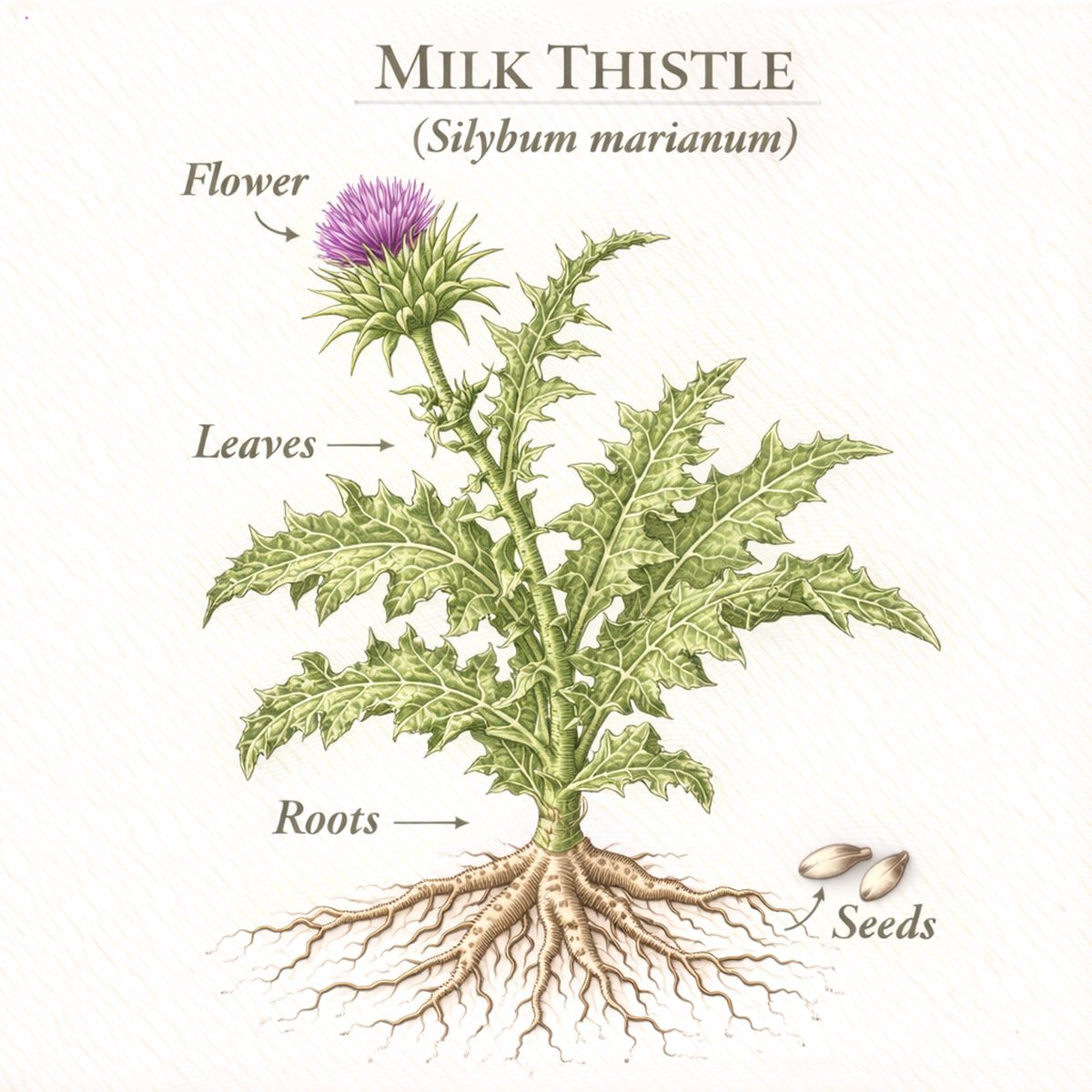
Milk Thistle: A Complete Materia Medica Entry
Same plant family as ragweed and daisies — which means the same seasonal allergy making some people miserable every autumn can extend to this popular…
1 min read
Lesson 41
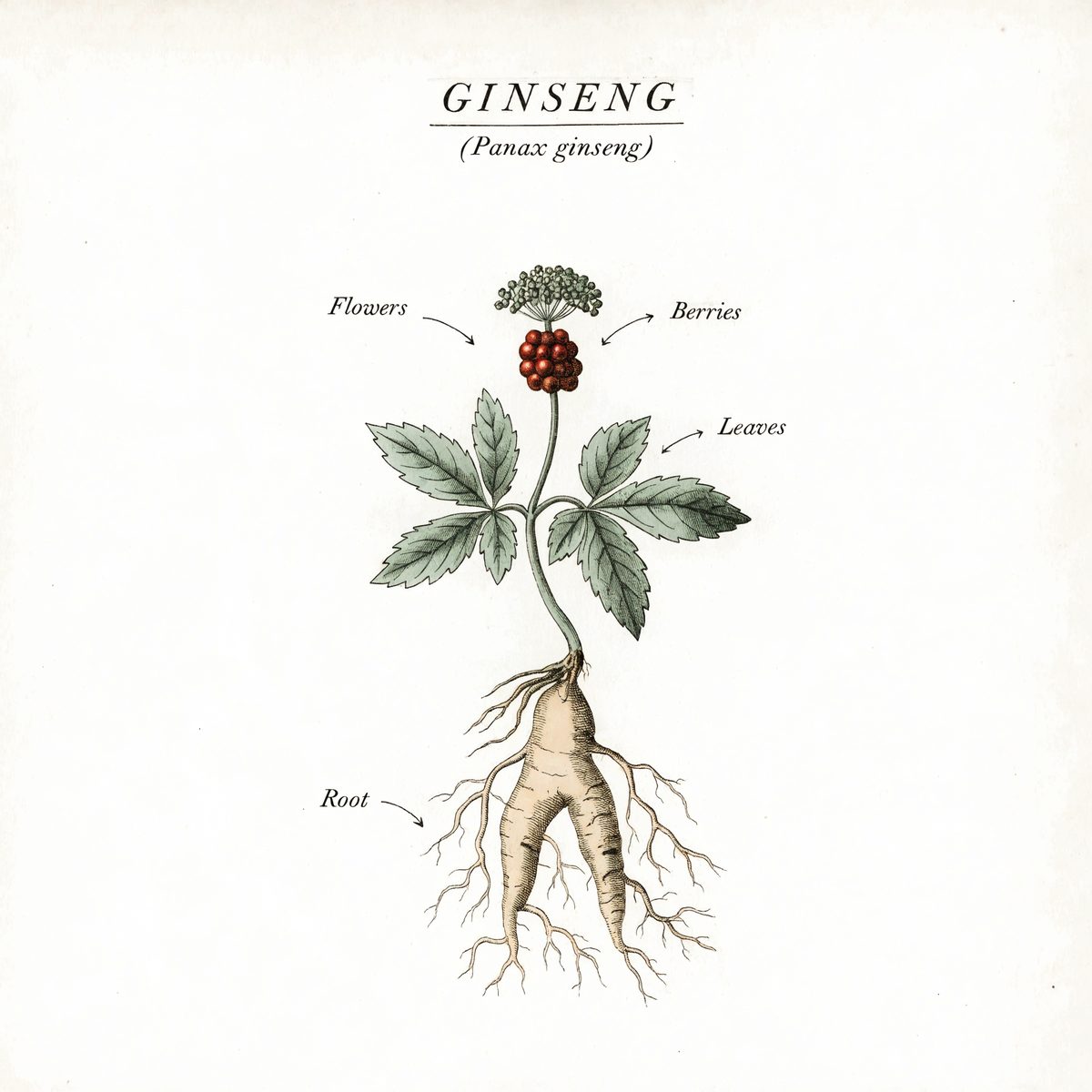
Ginseng: A Complete Materia Medica Entry
Most herbs this course has flagged near blood thinners increase bleeding risk. Ginseng does the opposite — it can make warfarin less effective, which is…
1 min read
Lesson 42
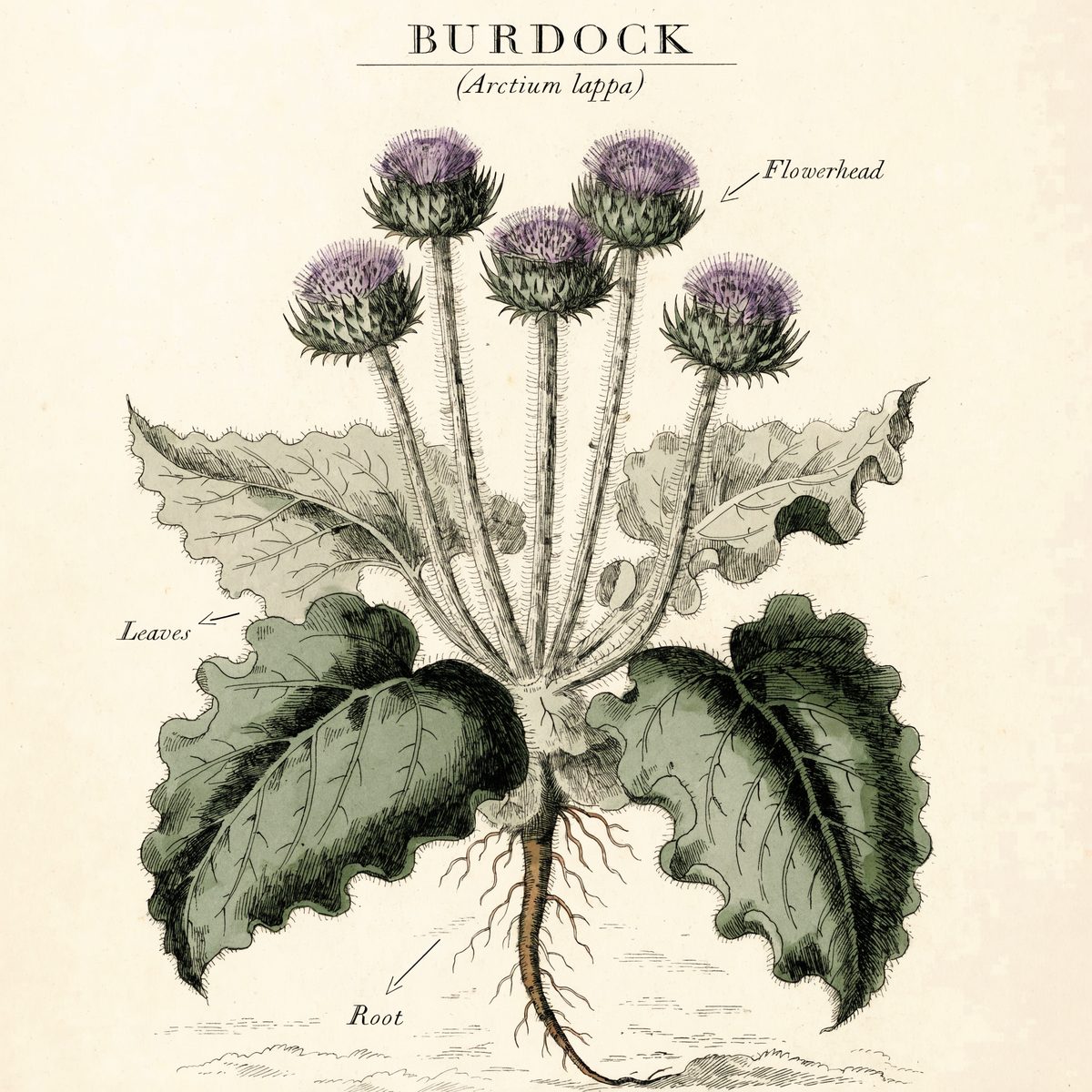
Burdock: A Complete Materia Medica Entry
A real, documented poisoning case involving burdock didn't come from burdock itself — it came from a toxic, unrelated root that got mixed into a…
1 min read
Lesson 43
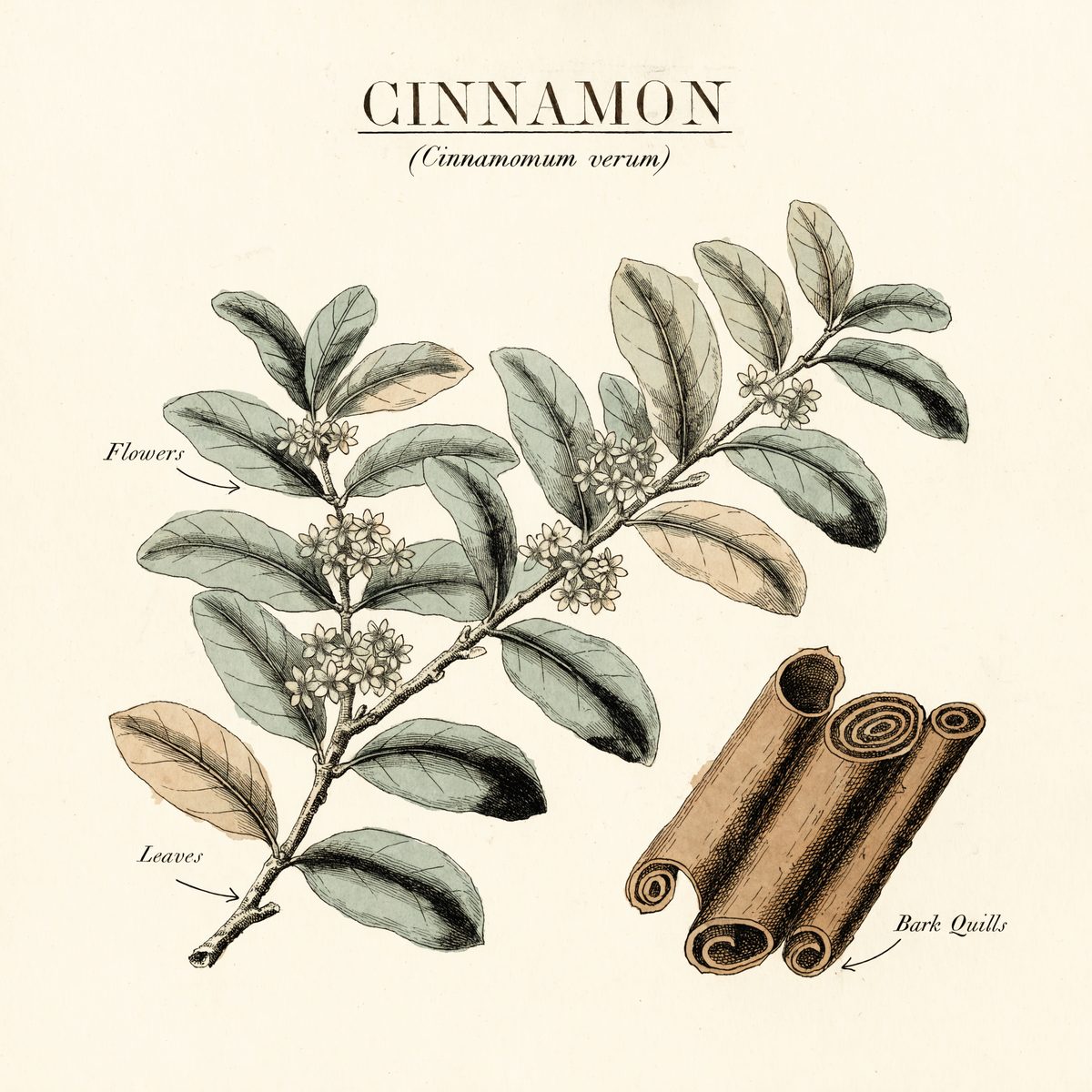
Cinnamon: A Complete Materia Medica Entry (Module 6 Finale)
The cinnamon in most spice racks and the cinnamon considered the 'true' species aren't just different in flavor. One contains roughly twenty times more of…
1 min read
Module 7 · Becoming a Herbalist
Lesson 44
Building a Beginner Home Herbal Cabinet
A well-built herbal cabinet isn't defined by how many herbs are in it. It's defined by how confidently you can explain why each one is there. Welcome to…
1 min read
Lesson 45
Keeping an Herbal Journal & Creating a Personal Materia Medica
'I took the ginger and I think it helped.' That's the entire record most people keep of their own herbal experience — and if a published study reported…
1 min read
Lesson 46
Choosing Quality Products, Reading Labels & Ethical Sourcing
Two bottles, same herb, same shelf, similar price. One tells you almost everything; the other tells you almost nothing. Learning to tell them apart is the…
1 min read
Lesson 47
Common Beginner Mistakes & Knowing When Not to Use an Herb
Picture a composite beginner: they read that an herb 'boosted' a study result, so they take three times the studied dose, stack it with two other herbs…
1 min read
Lesson 48
When to Consult a Clinician — What Certification Does (and Doesn't) Mean
A headache that's the worst of your life. Chest tightness. A fever that won't break. A new lump. These aren't 'which herb should I take' situations …
2 min read