Module 6 · Materia Medica · Lesson 39
Part of: Beginner Materia Medica: Twelve Herbs, Honestly Rated
Black Seed: A Complete Materia Medica Entry
1 min read · 291 words
Pure Herbal Wisdom — Herbalism 101, Lesson 39
Black seed's biggest strength — genuine effects on blood sugar, blood pressure, and blood clotting — is exactly why it can interact with three completely different classes of medication.
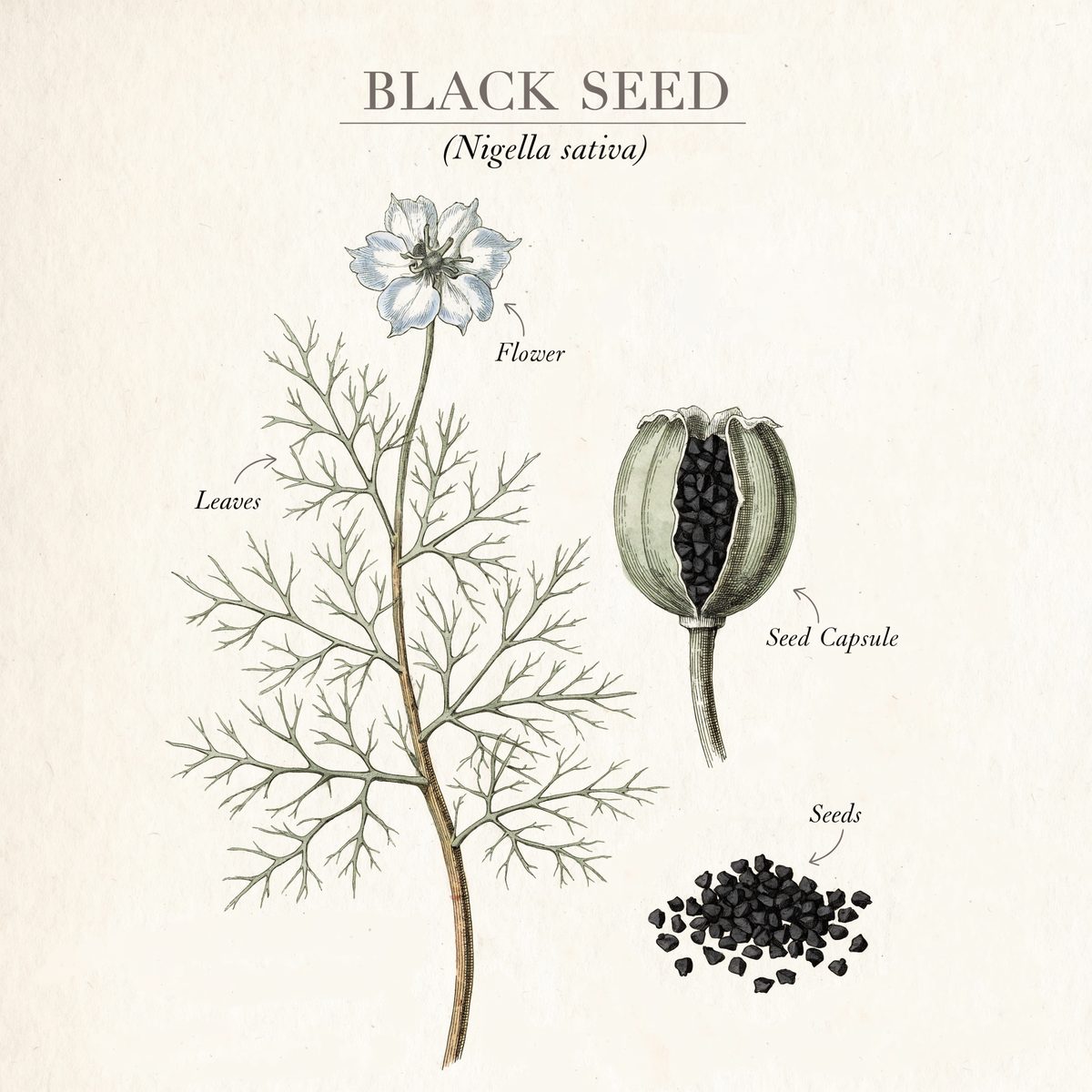
Botanical identity: Nigella sativa, also called black cumin. Plant part used: the seed. Most-studied compound: thymoquinone. Preparation: oil or ground seed powder; FDA-recognized as safe for culinary use. Traditional use: widespread across Middle Eastern, South Asian, and North African traditional medicine.
Confidence Scale — blood sugar, lipids, blood pressure: Moderate. A review of multiple RCTs found black seed significantly improved lipid profiles, lowered blood pressure, and improved blood sugar control; thymoquinone combined with metformin showed a greater reduction in blood glucose and HbA1c than metformin alone.
The interaction pattern: combined with diabetes medication, black seed can amplify blood-sugar-lowering effects enough to risk hypoglycemia. Combined with blood pressure medication, it can contribute to hypotension. Thymoquinone has antiplatelet effects, creating real bleeding risk with anticoagulants like warfarin or aspirin. Three distinct interaction pathways, all traceable to the exact mechanisms that make this herb potentially useful. As with garlic, black seed should be stopped at least two weeks before any scheduled surgery.
Dosage context: research commonly uses 1–3g daily of seed or oil, with 2g cited in diabetes-focused studies; a commonly referenced safe thymoquinone ceiling is under ~48.6mg daily. Safety: specifically advised against in pregnancy — high doses have shown uterine-stimulating effects in research; thymoquinone content varies significantly between commercial products.
Related Deep Dive: EP09 — currently planned, not yet released.
Next: Milk Thistle.
This content is for educational purposes only and is not medical advice. Consult a qualified healthcare provider before using any herb, especially if pregnant, nursing, on medication, or managing a health condition.
Medical disclaimer: This content is for educational purposes only and is not medical advice. Consult a qualified healthcare provider before using any herb, especially if you are pregnant, nursing, giving herbs to a child, taking prescription medication, or managing a health condition.